
Coffee usually reaches our hands as an automatic gesture: turning on the coffee maker, filling the cup, and taking the first sip with eyes still half-closed. Yet we rarely think about the long journey that coffee has taken before accompanying us at the table. Behind its comforting aroma lies a complex story that connects forests, people, and everyday decisions.
The Vulnerability of Coffee Ecosystems
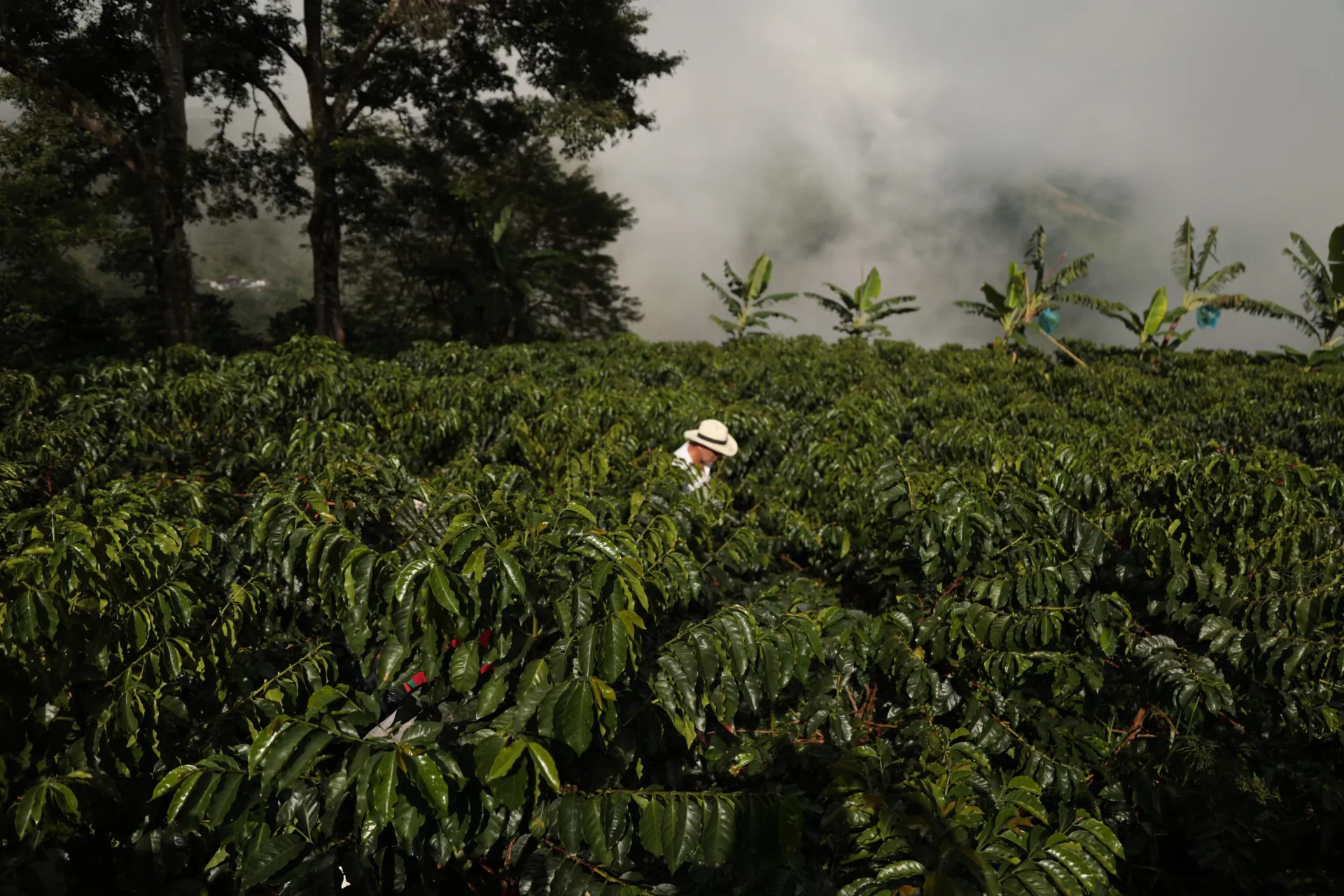
Coffee cultivation depends on delicate ecosystems. The plant requires very specific conditions of temperature, humidity, and altitude, making it particularly vulnerable to climate change. Rising temperatures and irregular rainfall are shifting suitable growing areas and reducing bean quality. For many coffee-producing communities, this is not a distant statistic but a direct threat to their way of life.
The Cost of Intensive Production
Over time, global coffee demand has favored intensive production models. In some cases, this has meant clearing forests to plant coffee in full sun, excessive use of pesticides and fertilizers, and severe pressure on soil and water. The result is a loss of biodiversity that affects not only the natural environment but also the resilience of the crops themselves.
Sustainability as an Urgent Need
Against this backdrop, sustainability stops being a buzzword and becomes an urgent necessity. Shade-grown coffee, for example, allows trees to be preserved, protects local wildlife, and improves soil health. Additionally, it is usually linked to more respectful agricultural practices and greater long-term stability for producers. It's not about romanticizing the process but understanding that caring for the earth is also a way of caring for coffee's future.
The Power of the Consumer
As consumers, we have more power than we realize. Choosing coffees with environmental and social certifications, learning about the product's origin, or supporting small roasters committed to fair trade are simple gestures that make a difference. Every purchase is, in essence, a vote for the kind of world we want to sustain.
Beyond the Bean
It's also important to look beyond the bean itself. Single-use capsules, disposable cups, and coffee waste contribute to an environmental footprint that often goes unnoticed. Opting for reusable methods, recycling properly, and preparing only the coffee we'll consume are small habits, but consistent with a more conscious outlook.
The Magic in Awareness
Drinking coffee can be a pleasure, a ritual, or a necessary pause during the day. Making it an act of responsibility doesn't take away its magic; on the contrary, it adds meaning. Perhaps the next time we bring the cup to our lips, we can pause for a moment and remember that that intense flavor also speaks of care for the earth and the people who work on it. After all, a cup of coffee can be much more than just coffee: it can be a cup of awareness.